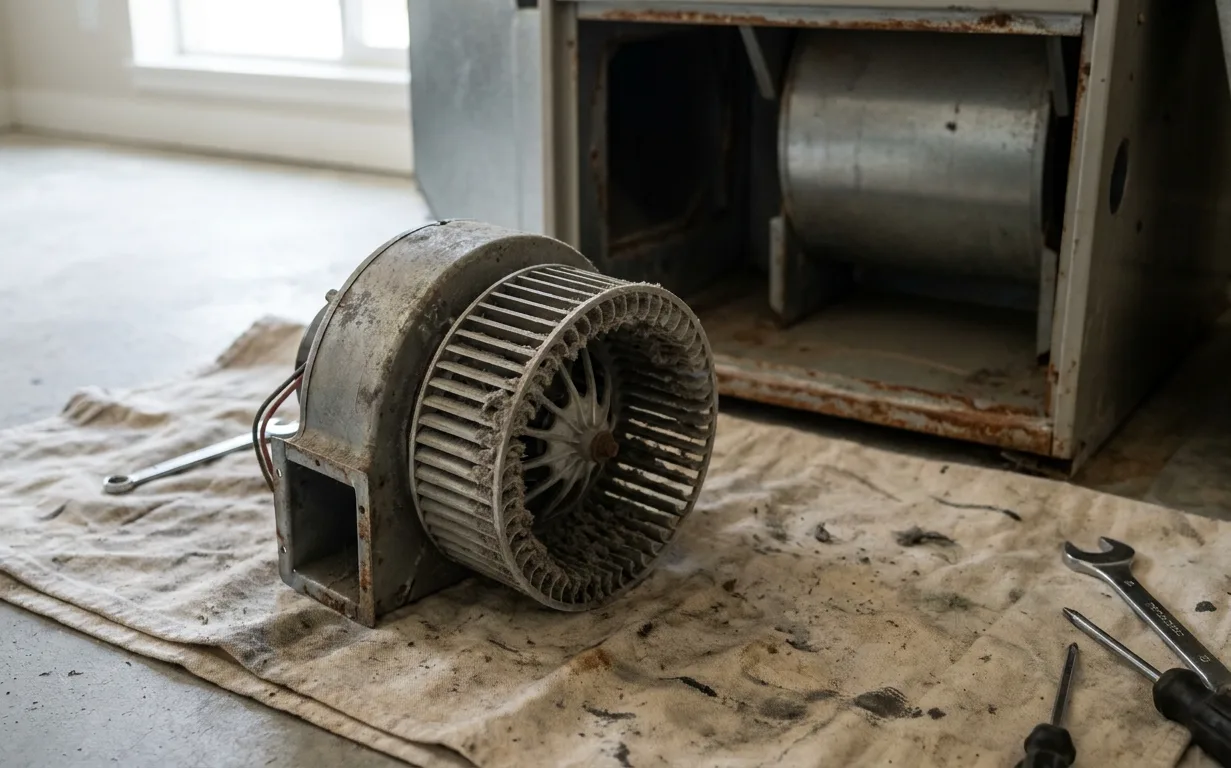
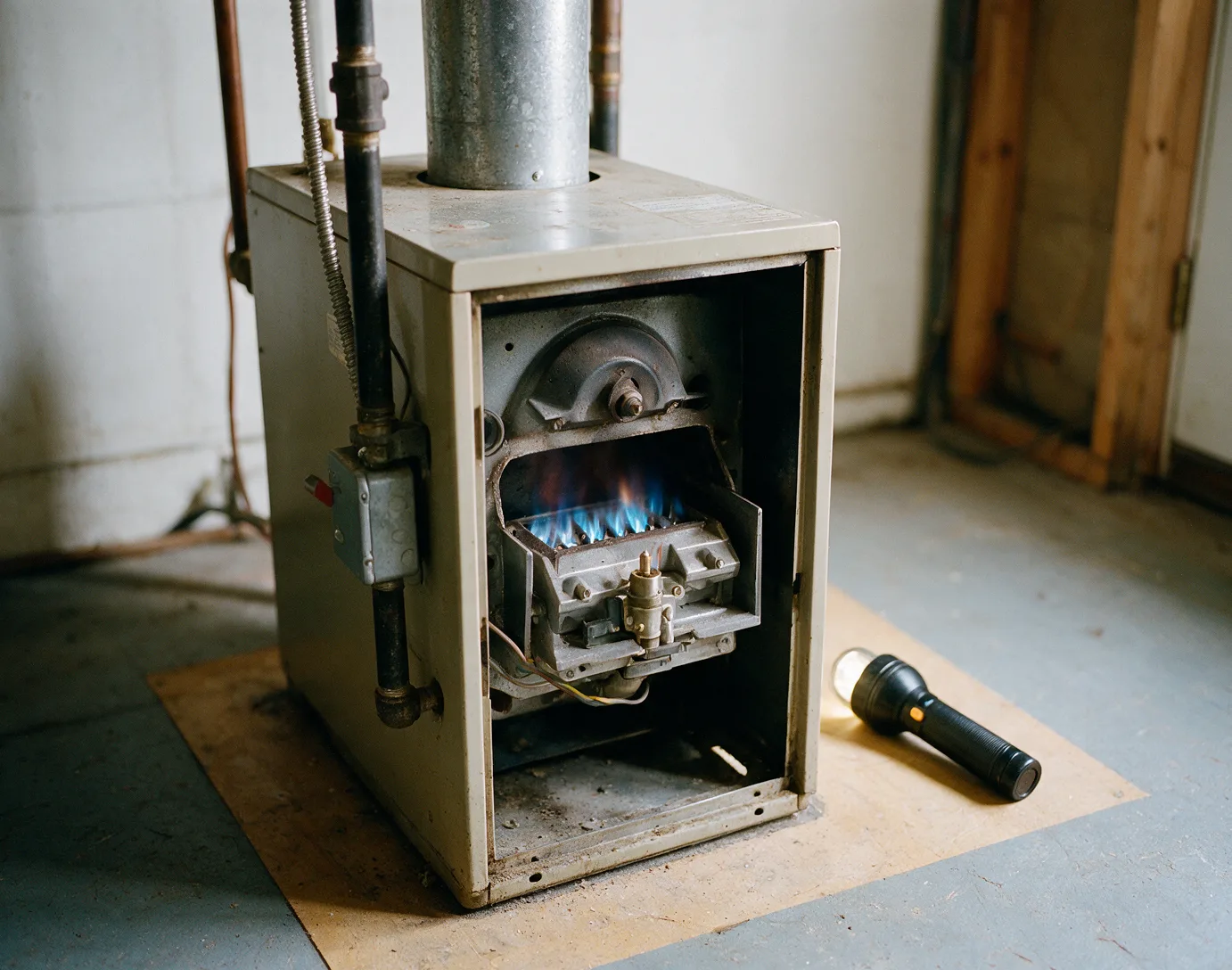
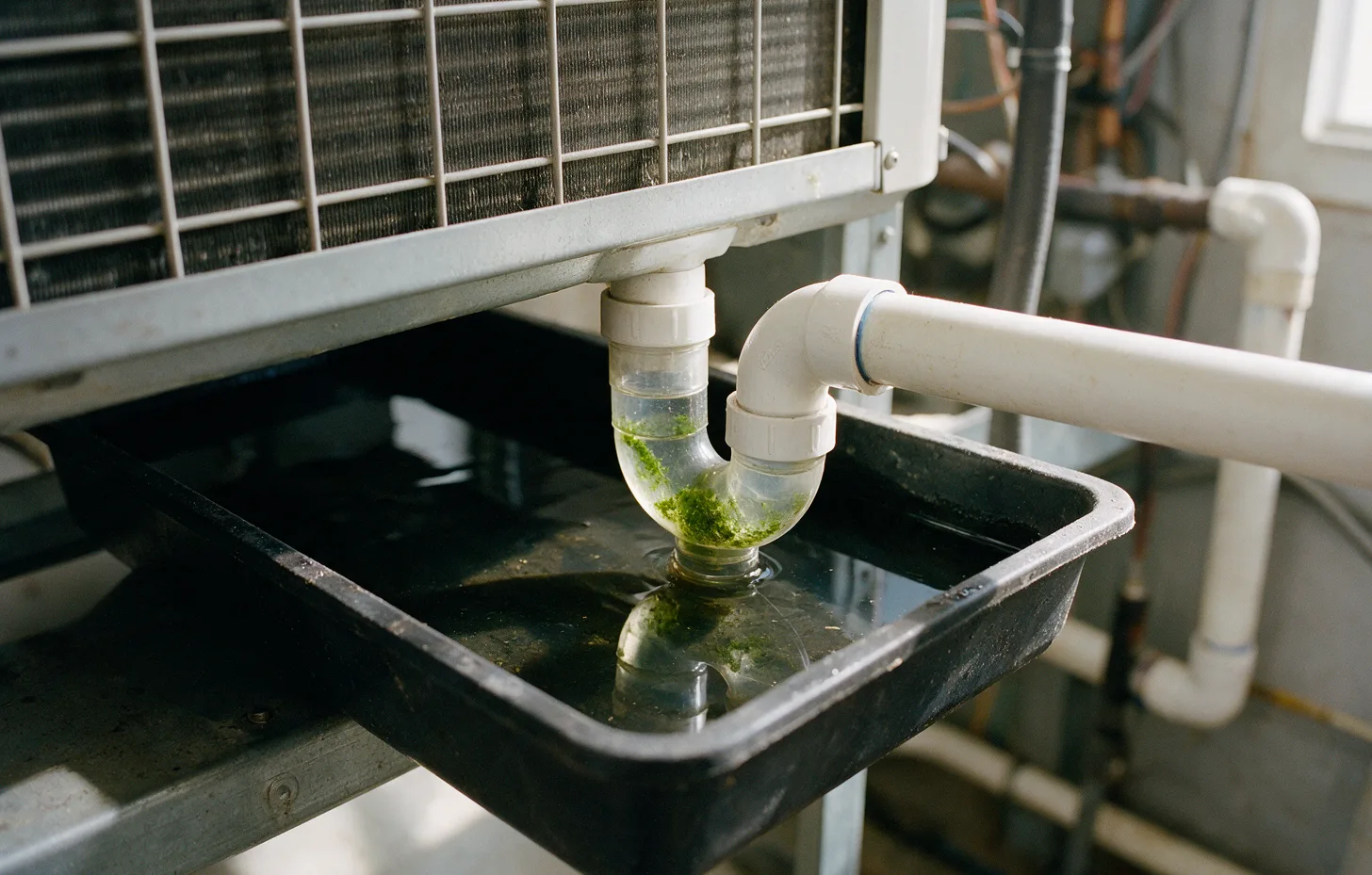
Cupe Mechanical HVAC handles burner assemblies, draft inducers, condensate drains and reversing valves on residential and light commercial equipment. Technicians measure gas manifold pressure, check capacitor microfarad ratings and verify proper airflow across coils before any component replacement.
We work on copper line sets, condensate pumps, zone valves and variable speed blowers throughout the country. Each call begins with voltage checks at contactors, superheat and subcooling calculations, and static pressure readings in the duct system. Every service below is available from Cupe Mechanical HVAC across the USA.
Our technicians inspect the heat exchanger seams for cracks, test the rollout switch and measure inducer motor amperage draw. Homeowners should confirm the thermostat is set above room temperature and that the condensate drain line is clear before the visit.
We check the aquastat settings, bleed air from zone valves and examine the circulator pump impeller for debris. Homeowners can note which baseboard loops feel cold and confirm the expansion tank pressure reads within the manufacturer range.
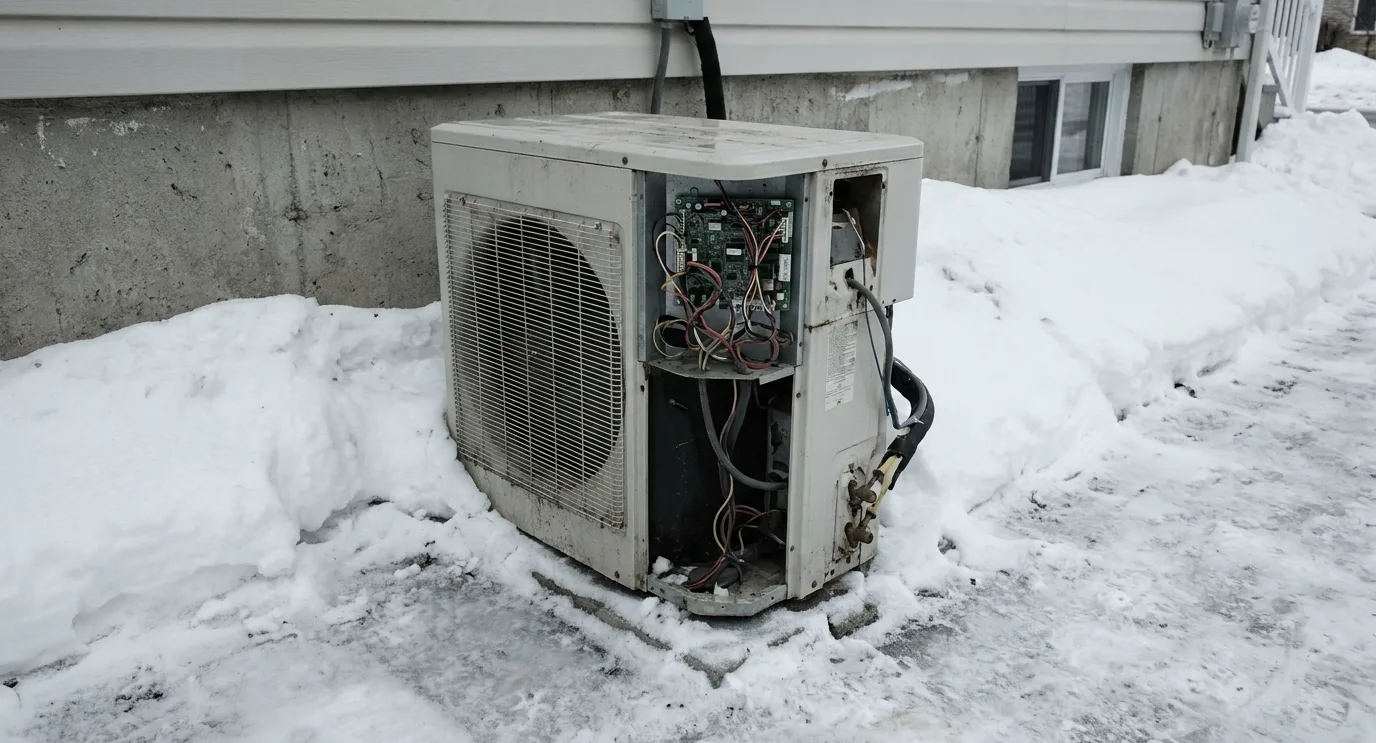
Technicians measure defrost sensor resistance, test reversing valve solenoid coils and verify proper defrost board timing. Before arrival, homeowners can clear snow or leaves from the outdoor coil and ensure the auxiliary heat strips are not tripped.
We recover refrigerant, check evaporator coil delta T and inspect contactor pitting on the condensing unit. Homeowners can replace the return air filter and note whether the compressor starts on a call for cooling.
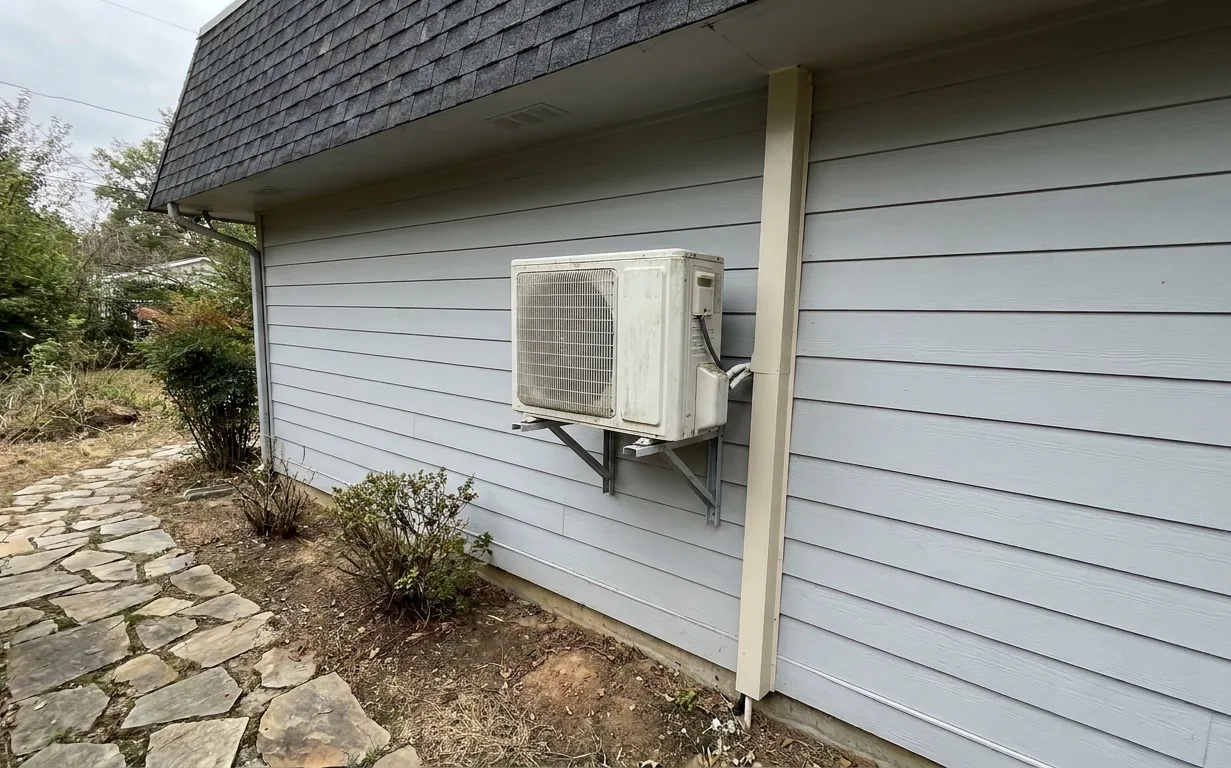
Our crews mount the indoor cassette level, run the line set with proper flare torque and set the outdoor unit on vibration pads. We pull a triple evacuation and confirm the correct refrigerant charge by subcooling.
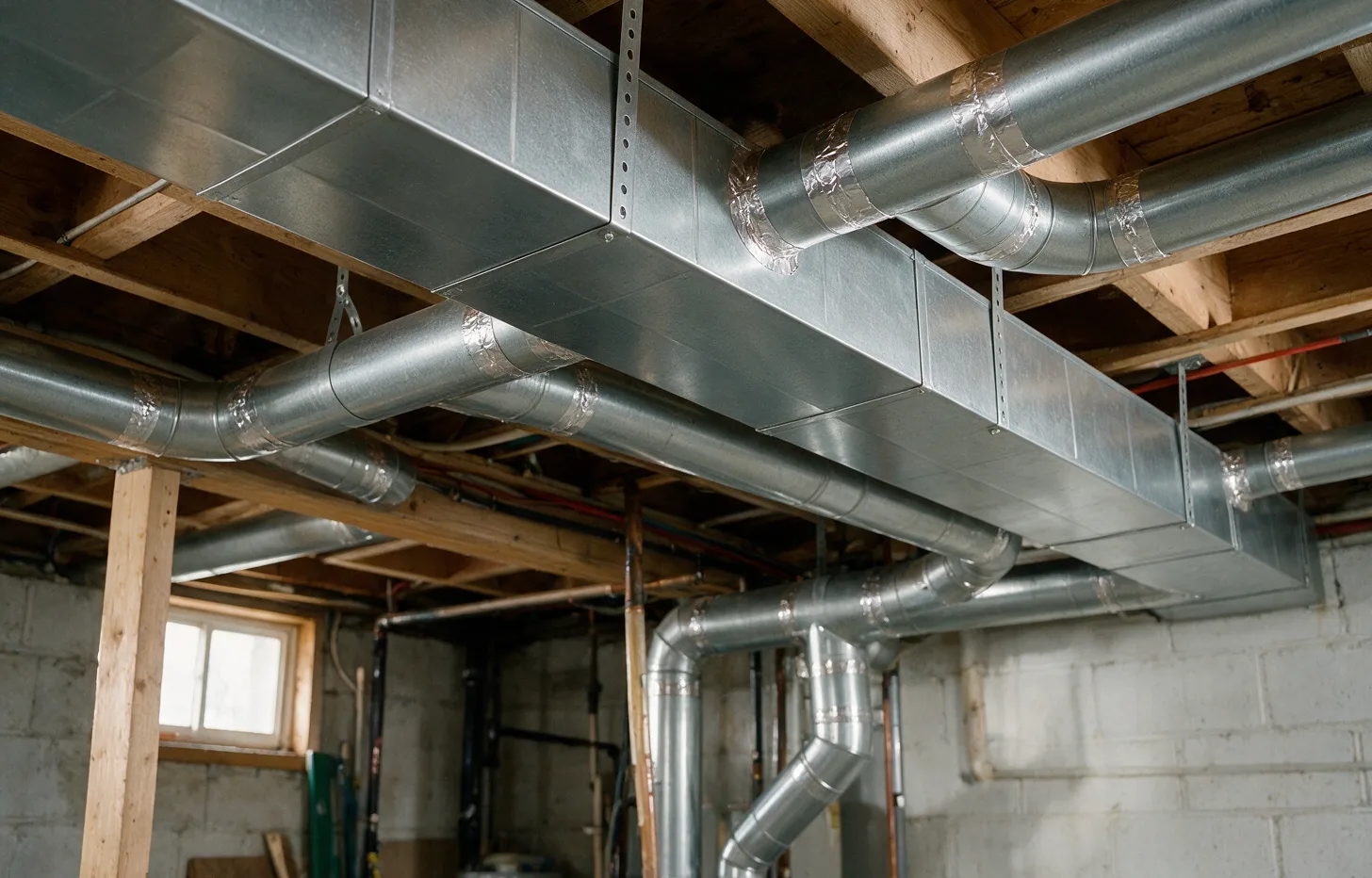
Technicians calculate friction rate, size trunks and branches for the correct cubic feet per minute and seal joints with mastic. They also balance dampers so each room receives design airflow without excessive static pressure.
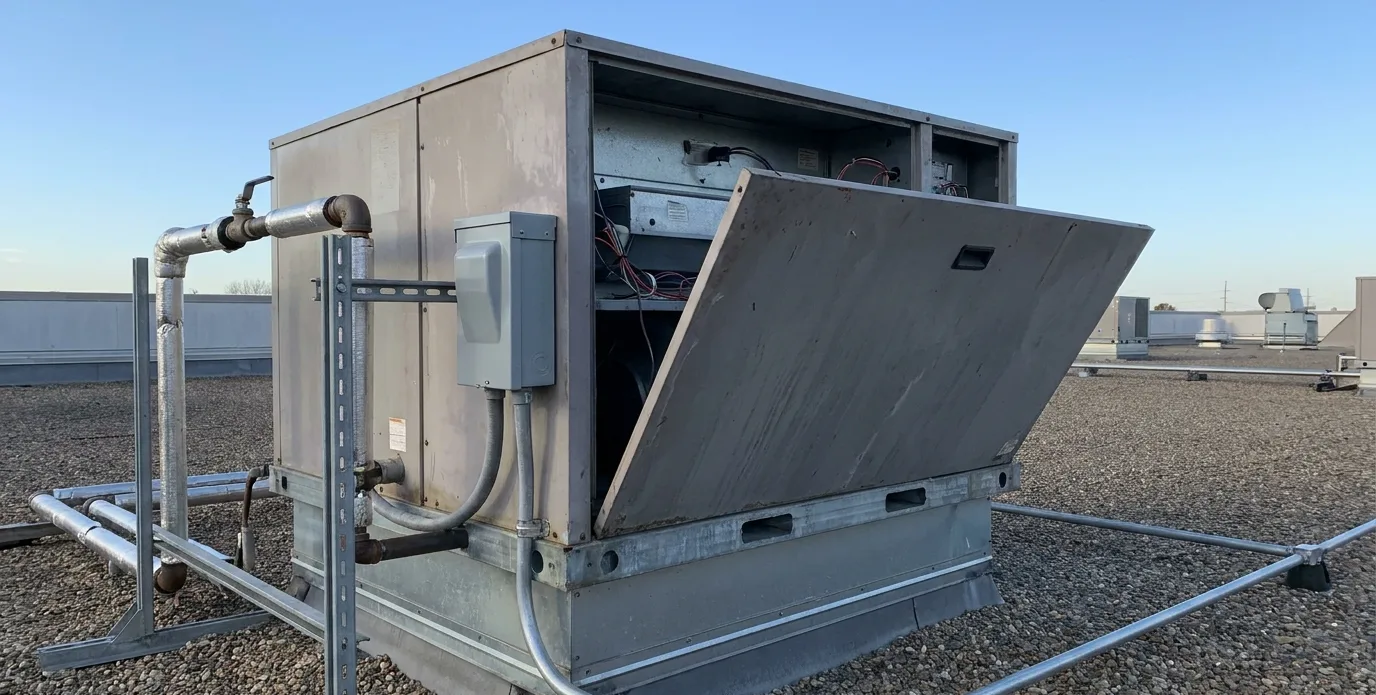
We service rooftop units by checking economizer linkage, calibrating enthalpy sensors and testing supply fan VFD output frequency. Technicians also verify condensate overflow switches and combustion air openings on gas heat sections.
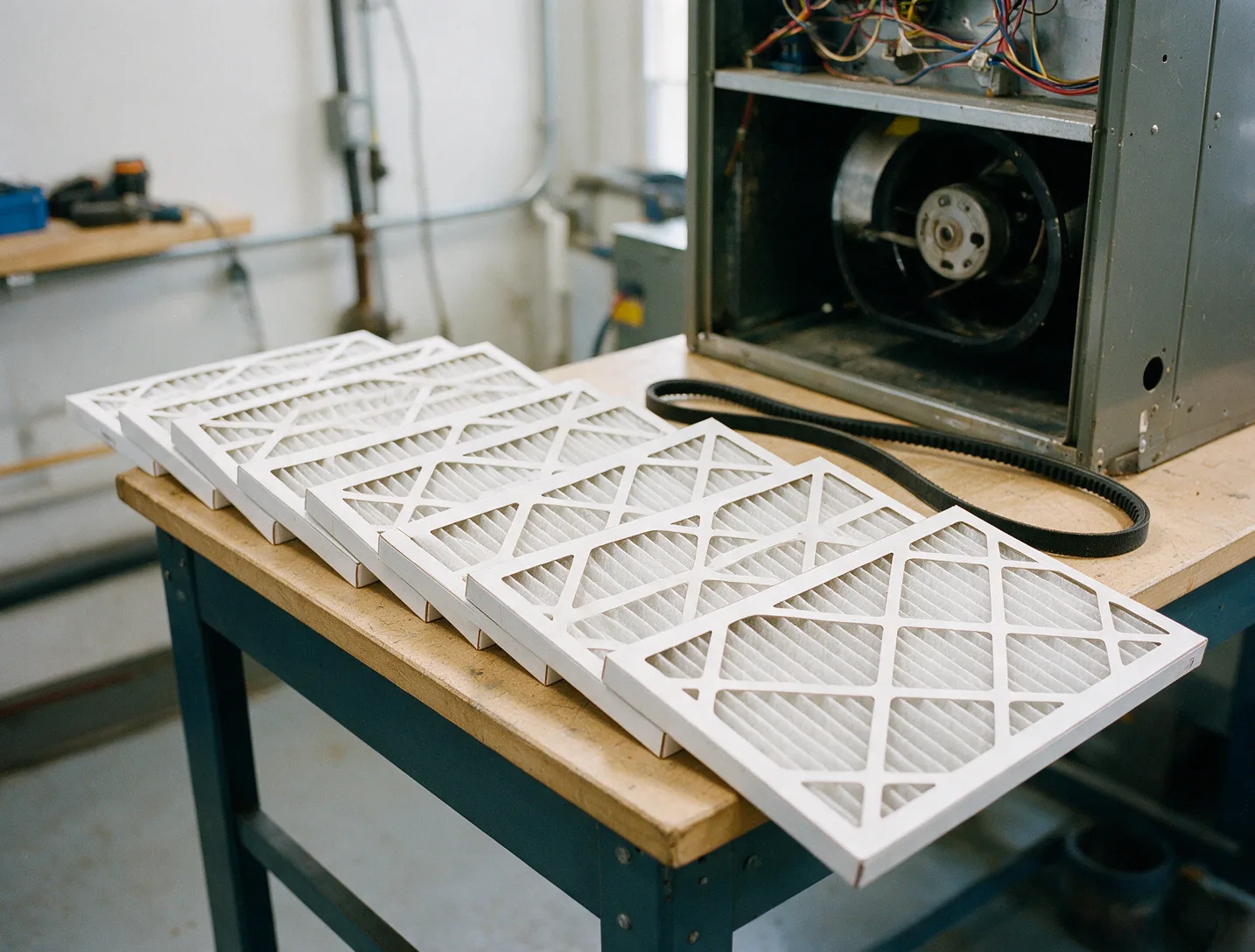
During each visit our technicians clean the burner orifices, tighten electrical terminals to torque specs and measure blower wheel balance. They also flush the condensate trap and record superheat values for future comparison.
Matching the issue to the correct equipment
When air from the vents stays cold, begin by checking whether the furnace or heat pump is the heat source. Listen for the inducer motor on a furnace or the reversing valve click on a heat pump. Note any error codes on the control board before calling.
Hot water baseboard loops that stay cool point toward the boiler, zone valves or circulator. No cooling at all with the outdoor unit silent usually indicates an AC or heat pump issue. Ductless heads that show error lights require checking the communication wire between indoor and outdoor sections.