
About Cupe Mechanical HVAC
Cupe Mechanical HVAC receives calls for heating and cooling faults then dispatches technicians equipped for field diagnostics. Each technician begins by verifying the complaint at the thermostat and power source. They move to the equipment and measure voltages amperages and pressures at key points. Findings are recorded and explained on site so the homeowner understands which component is out of tolerance and why that affects system output.
Questions about a job? Start on the Cupe Mechanical HVAC homepage or call (833) 540-9225.
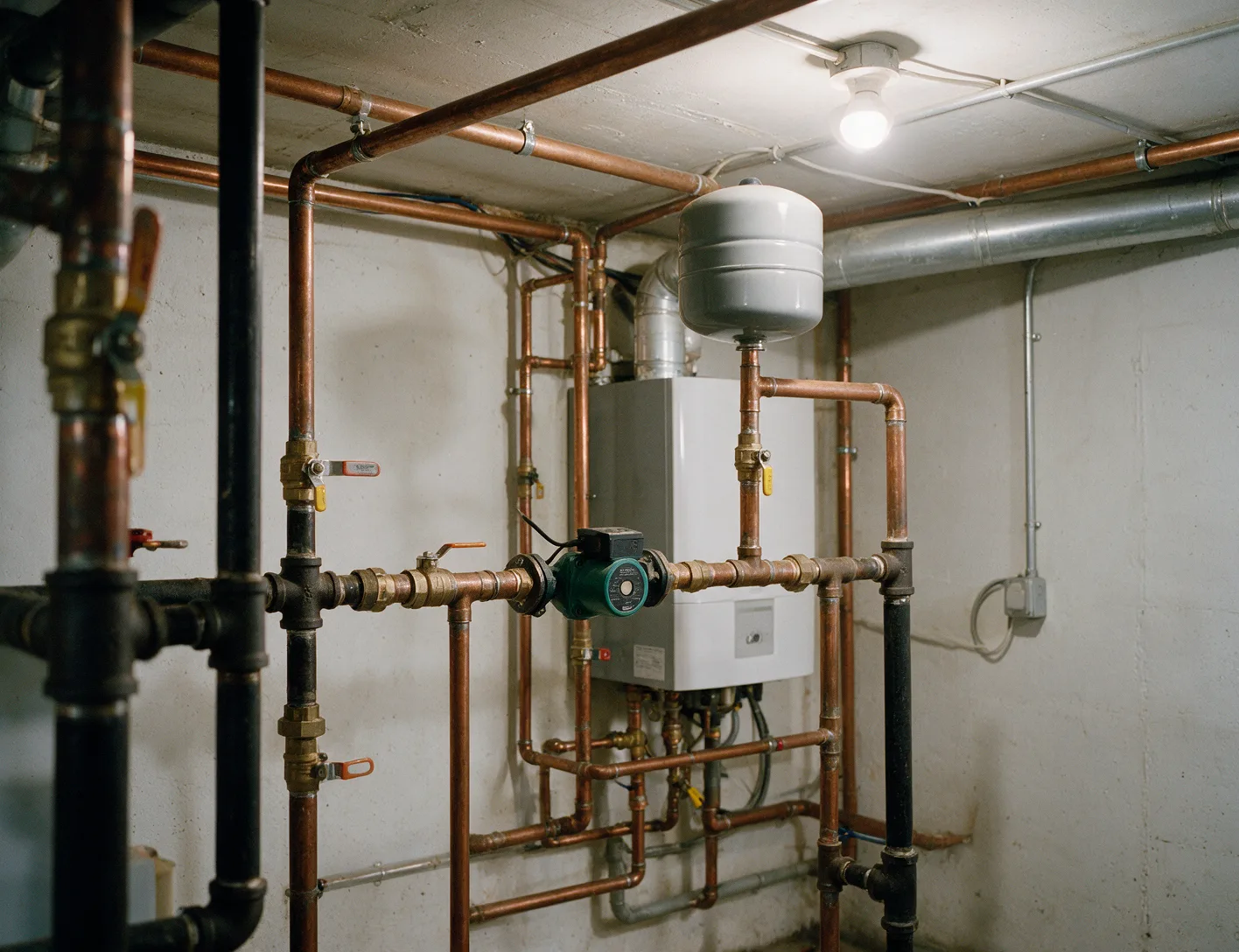
Measured Diagnostics
Technicians record voltage amperage and pressure at each test point and compare those numbers directly to the equipment specifications before any adjustment.
Component Sequence Review
Burner ignition draft inducer and limit circuits are tested in order so the homeowner sees exactly where the sequence stops.
Clear Measurement Reports
Each reading is written next to the factory target so the homeowner can see which value is outside tolerance and why it matters.
Work Zone Cleanup
Panels fasteners and floor protection are replaced so the mechanical space is returned to its prior condition after every visit.
Call Intake and Dispatch
When a homeowner describes a no heat or no cool condition our intake records the equipment type and observed symptoms. The dispatcher then selects the correct replacement parts list and routes the nearest available truck. This step prevents multiple trips for common failures such as a failed inducer motor or low refrigerant charge.
Technicians arrive with gauges manifolds and combustion analyzers matched to the reported system. They confirm the model number against the parts carried before entering the mechanical room. The homeowner is asked to demonstrate the exact sequence that produces the fault so the diagnostic path starts at the correct control.
Component Level Testing
At the furnace our technicians check manifold gas pressure against the rating plate then perform a combustion analysis to verify excess air and stack temperature. On boilers they test aquastat differential and circulator flow rate. Heat pumps receive suction and liquid line temperature readings to calculate superheat and subcooling.
Ductless units are checked for proper evacuation levels and flare torque values. Airflow is quantified with a vane anemometer at the return and supply plenums. Any restriction found in filters coils or dampers is noted with its effect on total external static pressure.
Findings and Options Review
After measurements the technician lists each reading next to the manufacturer specification. The homeowner sees which value deviates and how that deviation prevents the burner from lighting or the compressor from running at design capacity. Only readings that directly relate to the complaint are discussed.
Replacement parts are shown alongside the failed component so the difference in contact wear or orifice size is visible. The homeowner decides whether to replace the single part or the assembly based on the measured condition of adjacent components such as the heat exchanger or reversing valve.
Work Area Restoration
All panels are reinstalled with original screws and gaskets seated to maintain cabinet seal. Condensate lines are flushed and left with the cleanout cap finger tight. Electrical disconnects are closed and the thermostat is returned to its prior setting so the system resumes normal operation without further homeowner adjustment.
Tools rags and removed parts are collected before the technician leaves the space. Floor protection is rolled up and any debris from drilling or cutting is vacuumed from the immediate work zone. The homeowner receives a printed list of the final measurements for future reference.